Discover the Mountains Beyond the Tourist Trails
Guatemala is a country shaped by volcanoes. Rising above fertile valleys, Mayan villages and spectacular highland landscapes, its volcanic mountain ranges offer some of the most rewarding hiking experiences in Central America.
For travellers who enjoy outdoor adventures, the western highlands are particularly fascinating. From the imposing silhouette of Volcán Santa María to the sacred crater lake of Chicabal and the dramatic peaks surrounding Lake Atitlán, each mountain offers a different landscape, atmosphere and connection with Guatemala’s natural and cultural heritage.
However, hiking in Guatemala’s volcanic regions requires more than physical preparation. These are extensive and sometimes challenging mountain environments, where trails may be poorly marked, mobile phone coverage can be limited and access routes may cross privately owned or communally managed Indigenous lands.
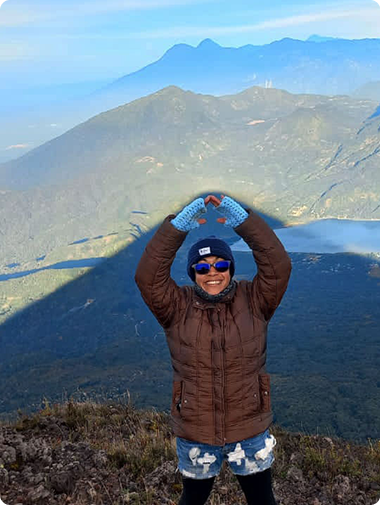
Our most important recommendation is to explore these mountains with a qualified, authorised and experienced local tourist guide, such as THGuatemala through its list of local guides. Responsible planning is essential not only for your personal safety, but also for respecting the communities who live in and protect these territories.
Why Explore Guatemala’s Volcanic Highlands?
The western highlands offer an extraordinary variety of volcanic landscapes. Some mountains feature steep rocky slopes and exposed ridges, whilst others are covered by cloud forests, pine woodlands and rich highland vegetation.
Hiking here is also an opportunity to discover the cultural importance of mountains in Maya traditions. Many communities maintain spiritual connections with their surrounding landscapes, and certain mountains and natural sites are considered sacred places for ceremonies and traditional practices.
Choosing local guides and community-based tourism organisations allows visitors to discover these environments with a deeper understanding of their natural and cultural significance.
Six Volcanic Experiences to Discover
- Volcán Santa María: A Challenging Highland Adventure
At approximately 3,772 metres above sea level, Volcán Santa María dominates the landscape surrounding Quetzaltenango. Its ascent is a demanding experience, involving a steep trail and a significant change in altitude.
Those who reach the summit can enjoy impressive views across the western highlands and, under favourable conditions, observe the active Santiaguito volcanic complex from a considerable distance.
The hike requires good physical preparation, suitable equipment and an early departure. Weather conditions can change quickly, and the route should never be underestimated.
Always arrange the ascent with an experienced local guide who knows the trail and can assess the prevailing conditions.
- Cerro Quemado: A Landscape Shaped by Volcanic Activity
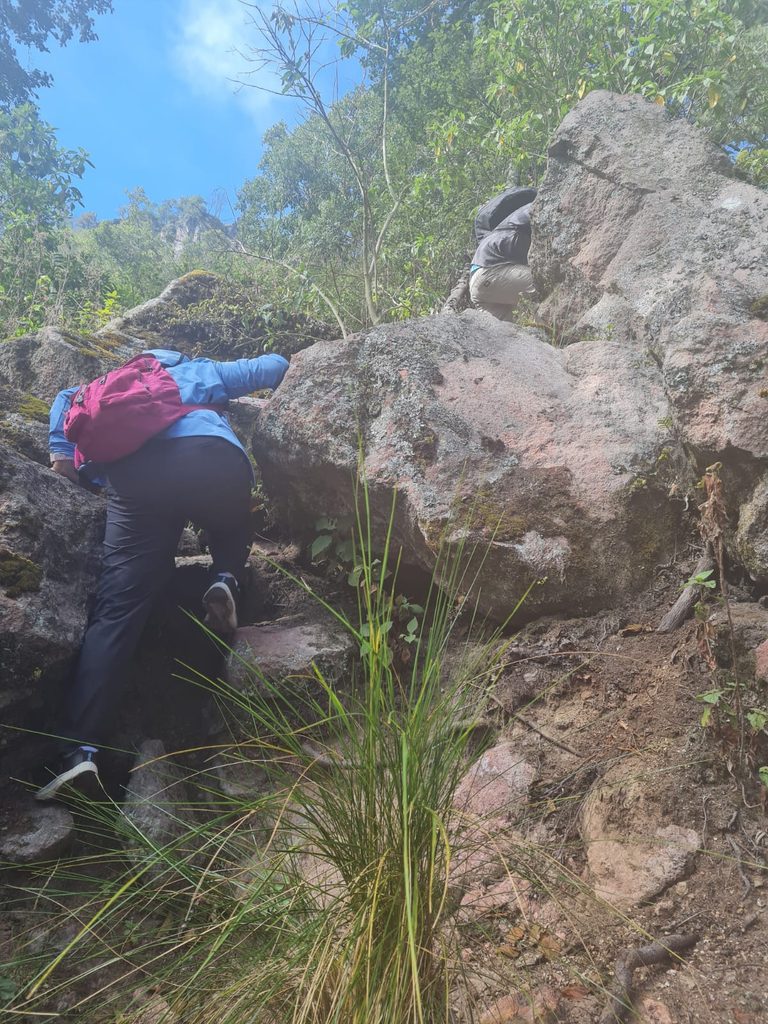
Cerro Quemado offers a very different hiking experience. Its unusual volcanic rock formations, steep slopes and distinctive geological features create a fascinating landscape close to Quetzaltenango.
Unlike a conventional mountain trail, the terrain can be irregular and rocky, requiring careful footing and appropriate footwear.
The area also has cultural and spiritual significance for local communities. Visitors should remain on authorised routes, respect ceremonial spaces and follow the guidance of local people.
A knowledgeable guide can help you understand both the geological characteristics of the area and its importance to the surrounding communities.
- Volcán Chicabal: Lagoon and volcano
Volcán Chicabal is one of the most remarkable natural and cultural destinations in the western highlands.
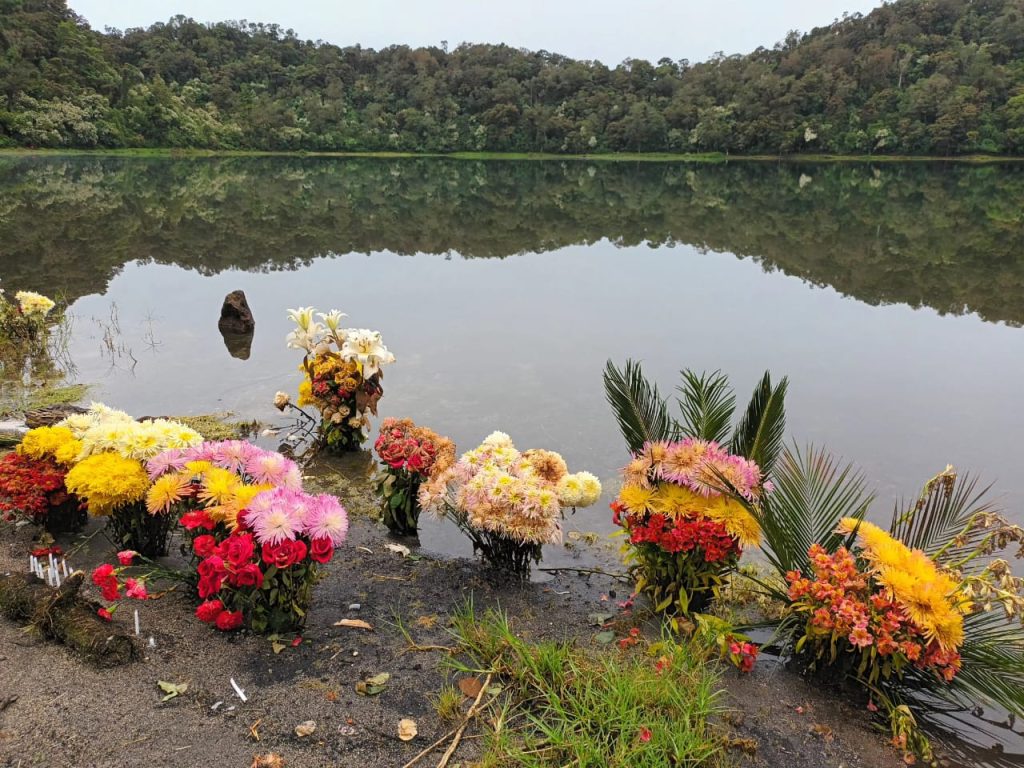
Its main attraction is a beautiful lake situated inside the volcanic crater, surrounded by cloud forest and an atmosphere of tranquillity. For the Maya community, the lake is a sacred place where traditional ceremonies and spiritual practices take place.
The ascent passes through a forested environment before reaching the crater, where visitors can appreciate the extraordinary relationship between nature, culture and spirituality.
When visiting Chicabal, it is particularly important to respect ceremonial areas, follow local regulations and avoid disturbing any religious activities. The experience should be approached with cultural sensitivity rather than simply as a photographic opportunity.
Always choose a local guide who can explain the cultural significance of the site and the traditions of the surrounding communities.
- Volcán Tajumulco: Reaching the Highest Point in Central America
At approximately 4,220 metres above sea level, Volcán Tajumulco is the highest volcano in Central America and a remarkable destination for experienced hikers.
The ascent takes visitors through high-altitude landscapes, open mountain slopes and volcanic terrain. Reaching the summit offers a memorable sense of achievement and, on clear days, extensive views across Guatemala and México border.
However, altitude, low temperatures, changing weather and the physical demands of the route make this a challenging expedition.
There is another important consideration: security conditions in the municipalities surrounding Tajumulco and Ixchiguán can affect whether an ascent is advisable, considering there is a violent conflict between this two communities.
For this reason, do not organise this hike independently or assume that the route is always accessible. Consult us, check current travel advice and confirm that the excursion is considered safe before making arrangements.
- Volcán Cuxliquel
For visitors interested in exploring beyond the most recognised volcanic destinations, Volcán Cuxliquel offers another opportunity to discover the highland landscapes of western Guatemala.
The mountain and its surroundings provide a different perspective on the region, with rural scenery and a strong connection to local life.
As with other less-visited mountain areas, access should be arranged through local contacts who can confirm the appropriate route and obtain any necessary community permission.
Exploring lesser-known destinations responsibly can help create opportunities for local guides and communities whilst reducing pressure on more heavily visited attractions.
- Volcanic Landscapes Around Lake Atitlán
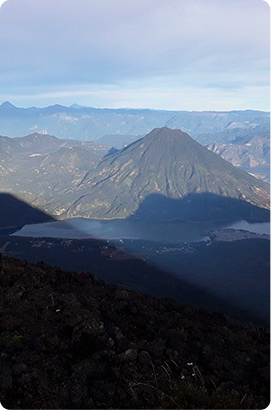
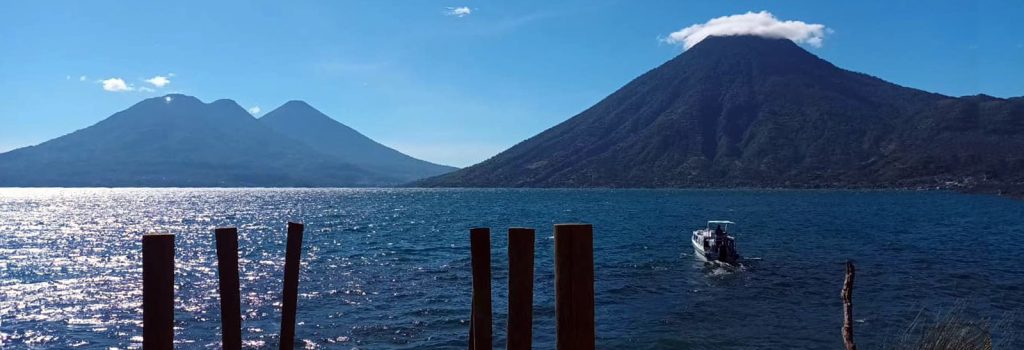
Lake Atitlán is surrounded by three magnificent volcanoes: San Pedro, Tolimán and Atitlán. Together, they create one of the country’s most recognisable landscapes.
For hiking enthusiasts, the surrounding region offers opportunities to explore forested mountain trails, rural landscapes and viewpoints overlooking the lake.
Volcán San Pedro is a recognised hiking destination, whilst the larger Tolimán and Atitlán volcano offer more demanding routes that require specialised planning and local knowledge.
Choosing community-based guides and authorised routes can help visitors discover the region whilst supporting local livelihoods and respecting the natural environment.
The lake is also home to several Maya communities, each with its own cultural identity and traditions. Hiking can therefore become part of a wider experience that includes local food, cultural exchange and community tourism.
What About Volcán Santiaguito? Observe an Active Volcano Safely
Santiaguito volcano is one of Guatemala’s most fascinating active volcanic complexes. Its frequent explosions, ash emissions and volcanic activity offer a remarkable insight into the forces that continue to shape the country’s landscape.
However, ascending Volcán Santiaguito or approaching its volcanic domes is prohibited and extremely dangerous. Its activity can generate pyroclastic flows, falling volcanic material and other hazards that can develop with little warning.
The appropriate alternative is to observe the volcanic activity from designated viewpoints outside restricted areas, provided that access is authorised and current conditions permit a visit.
Some viewpoints in the wider region offer opportunities to observe the volcanic complex from a safe distance. However, their suitability must be assessed at the time of the excursion. Never attempt to approach the domes, enter restricted areas or follow unofficial trails in search of a closer view.
This is an experience where professional local guidance and up-to-date information from Guatemala’s volcanic monitoring and emergency authorities are particularly important.
Why You Should Always Hire a Qualified Local Guide
One of the most important aspects of hiking in Guatemala is understanding that not all volcanic trails are suitable for independent visitors.
Unlike well-developed hiking destinations in some European countries, many Guatemalan volcanic areas have limited infrastructure, inconsistent trail markings and extensive landscapes where it is easy to become disorientated.
There are several reasons why hiring a qualified and authorised guide is essential:
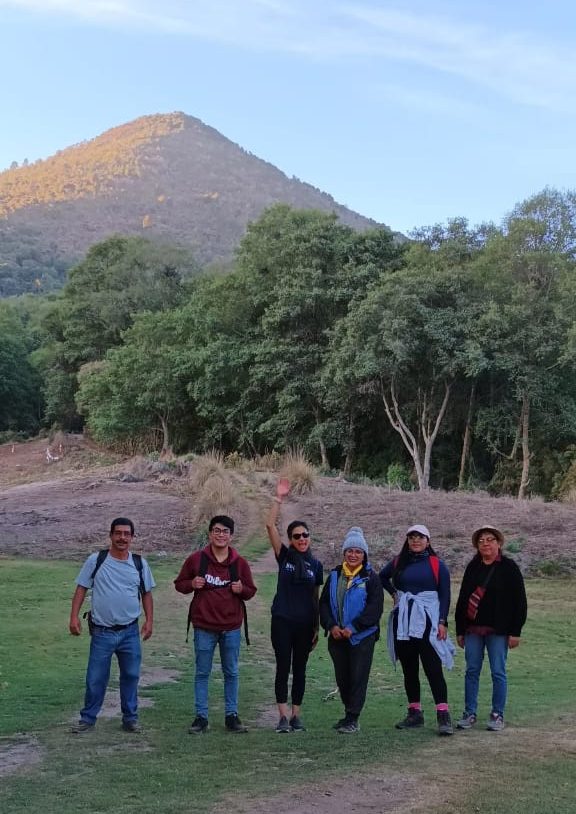
- Navigation and local knowledge: Experienced guides understand the routes, terrain, access points and potential hazards, particularly in areas with limited signage or mobile coverage.
- Personal safety: They can assess weather conditions, physical demands and changing environmental risks, and help coordinate an appropriate response if an emergency occurs.
- Volcanic activity: Conditions can change rapidly. Professional operators should consult current INSIVUMEH and CONRED information and follow official restrictions.
- Community access and land ownership: Some hiking routes cross privately owned land or Indigenous communal territories. A local guide can help establish whether access is permitted and ensure that visitors do not enter areas without authorisation.
- Responsible tourism: Hiring local professionals creates employment and helps ensure that tourism benefits remain within the communities that make these experiences possible.
When selecting a guide or agency, ask whether the guide holds a valid INGUAT tourist guide accreditation or other applicable authorisation, has experience with the specific mountain, and has appropriate emergency procedures.
Do not confuse a guide’s familiarity with a mountain with formal accreditation and professional training. Both matter.
Explore Guatemala’s Mountains Responsibly with THGuatemala
At THGuatemala, we believe that exploring Guatemala’s natural heritage should go hand in hand with respect for local communities and responsible tourism practices.
Our approach is to work with knowledgeable local guides and tourism providers who understand the landscapes, cultural values and particular conditions of the regions where they operate.
We do not believe that every mountain should be climbed simply because it appears on a travel itinerary. Weather, volcanic activity, security conditions and community access must always take priority over a planned excursion.
Whether you are interested in a challenging high-altitude expedition, a forest hike or a cultural experience around a sacred volcanic lake, we can help you explore the possibilities according to the conditions and the type of experience you are looking for.
Discover Guatemala’s volcanic highlands, respect their communities and let local knowledge guide your adventure.
The mountains will be there to discover when the conditions are right.
Related Posts
 Come and Discover Guatemala While Studying Spanish
 5 Things to Do in Guatemala in 2027